Vinyl Nostalgia
 Back to The Beatles discography
 🏆 Canon
Tracklist
Side A
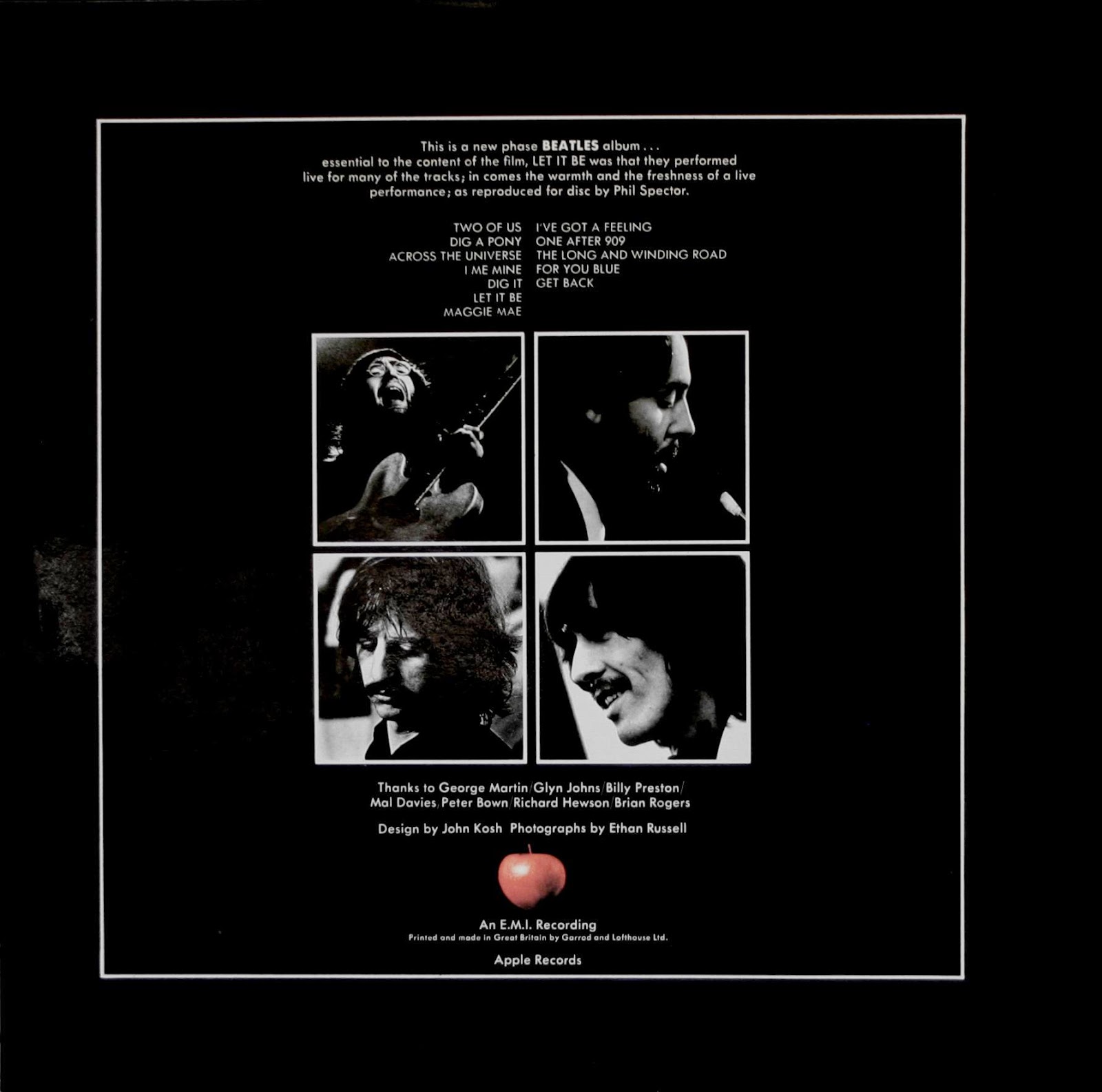
- Two Of Us (3:27)
- Dig A Pony (3:54)
- Across The Universe (3:49)
- I Me Mine (2:26)
- Dig It (0:50)
- Let It Be (4:03)
- Maggie Mae (0:41)
Side B
- I've Got A Feeling (3:38)
- One After 909 (2:55)
- The Long And Winding Road (3:38)
- For You Blue (2:33)
- Get Back (3:07)
Labels & dead wax
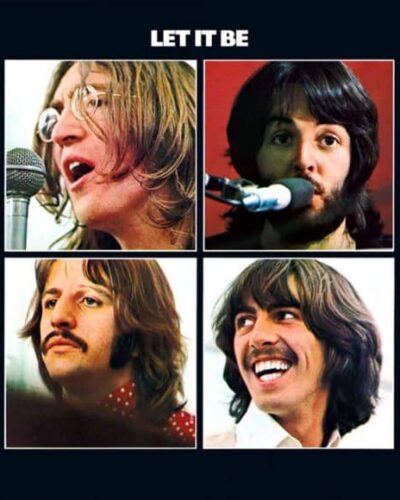
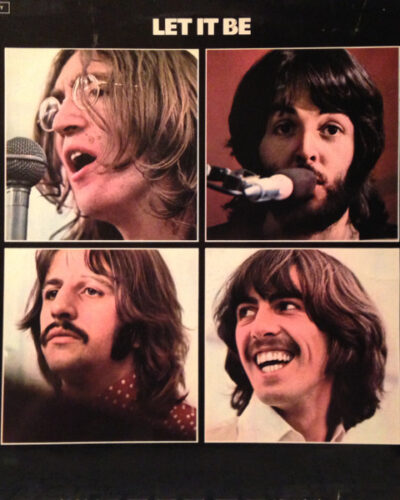
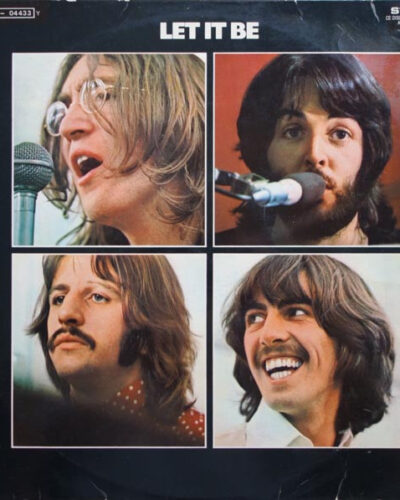
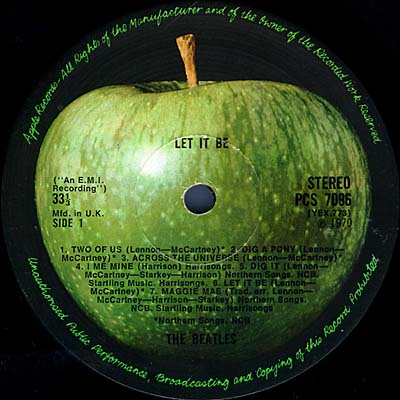
Visual reference for this specific pressing. Click any image to enlarge.

Why this pressing matters
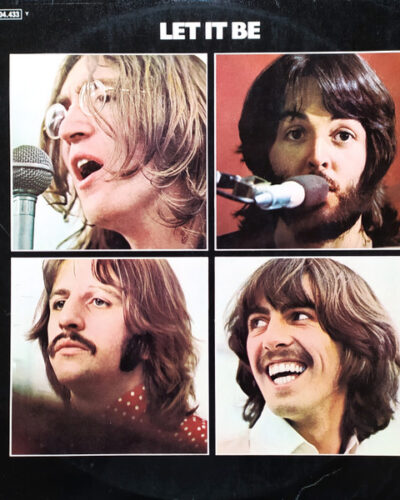
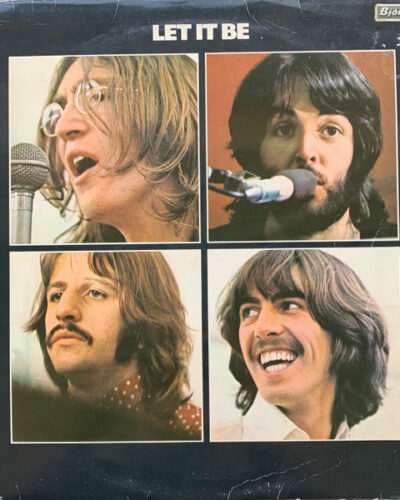
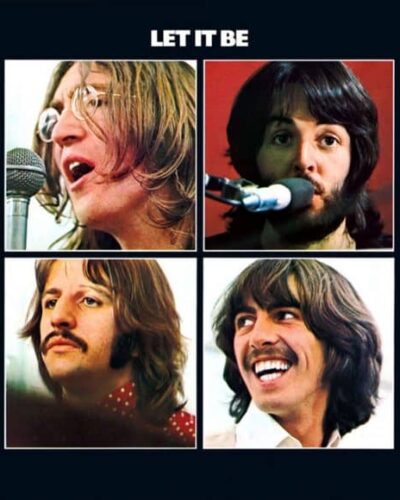
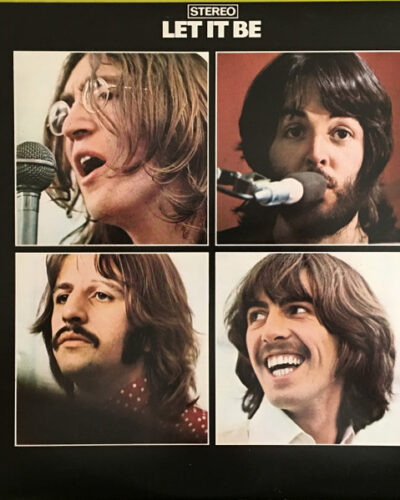
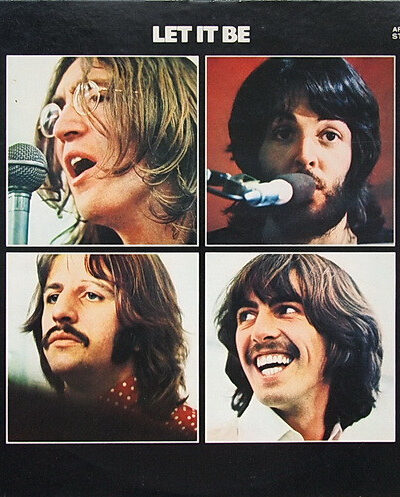
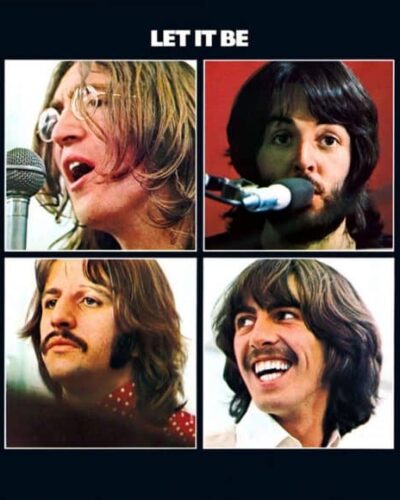
The disc carrying matrices YEX 773-2U / YEX 774-2U is physically the same pressing that went into the boxed PXS 1 edition on 8 May 1970, six months before Let It Be appeared as a standalone album under PCS 7096 on 6 November 1970. Put plainly: a collector buying the "first pressing" of the standalone LP is holding vinyl stamped for the box set launch, not for the album launch.
How to authenticate this pressing
Specific verification cues for this exact variant.
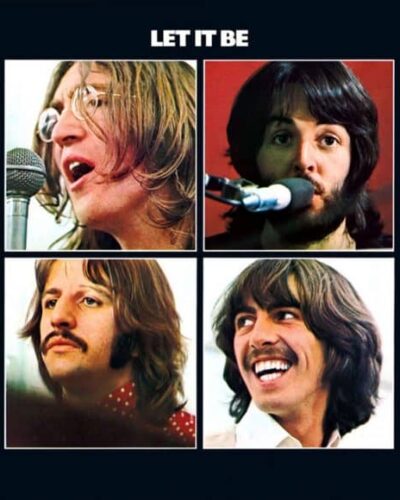
A low -2U suffix on both sides is a hard dating marker. Matrix numbers begin rising from the second pressing onward, so a -2U/-2U pair places a copy in the earliest run. Stamper codes recorded on this run include 1/T and 5/RO, with vinyl weight reported around 141g. The fully laminated cover was printed by Garrod & Lofthouse and carries a red Apple logo on the rear panel, even though the label itself is green. That colour mismatch is one of the quickest authenticity checks for an early copy.
On the collectors' market, this release has never been rare in terms of circulation. The album sold millions, and separate editions were subsequently pressed throughout the 1970s and 1980s with successive label variants. The value of the first pressing with the dark green label and -2U/-2U matrices is therefore based not on scarcity, but on its condition and the accuracy of the dating.
Historical context & other notes
Album Let It Be closed the band's studio catalogue with a chronological twist. The sessions, held in January 1969 at Twickenham and at the Apple studio under the working title Get Back, were finished more than a year before the album reached the shops. Abbey Road, recorded later, came out earlier, in September 1969. The tapes carrying the Get Back material sat in storage, rejected in two assembly versions by Glyn Johns, until Lennon and Harrison handed them to Phil Spector. The album appeared on 8 May 1970, barely a month after McCartney announced the group had split.
In the UK the launch had an unusual commercial structure. The first edition was not a standalone album but the Apple PXS 1 box set: the PCS 7096 disc, a sleeve, and the 164-page book The Beatles Get Back with photographs by Ethan Russell and text by Jonathan Cott and David Dalton. Despite the higher price, on 23 May 1970 the album reached number one on the chart, held the top spot for three weeks, and spent a total of 59 weeks on that chart. Within six months, however, production of the box and the book was halted, and Let It Be was made available in November 1970 as a standalone album under the same catalogue number, PCS 7096.
The disc itself was pressed at the EMI factory in Hayes, Middlesex, where the metal parts, lacquers, matrices, mothers, and stampers were also produced. The plant reached its production peak in the 1960s, employing around 14,000 people across a 150-acre site. The fully laminated covers were printed by Garrod & Lofthouse.
The historical anomaly of this release is twofold. First, the reversed order: the last Beatles album to be released contains material older than the recording and release of Abbey Road. Second, the two-stage launch: the PCS 7096 disc first served as a component of an expensive box set, and only after that set was withdrawn did it become a cheaper standalone release. And one more thing. The Get Back book had weak binding, and copies with a complete set of pages that have not fallen out are today more sought after than the disc itself.
Other releases
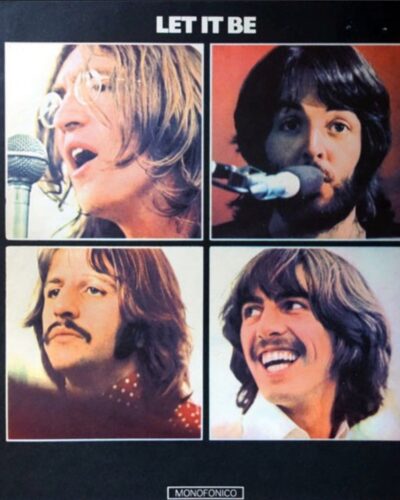
This album's releases in other countries, or special editions within the same market. Full per-country chronology lives in each country's hub page.