
 Vinyl Nostalgia
Fans of the British band Yes are sharply divided when it comes to their ninth album, Tormato, released in September 1978. Some consider the material on the album to be greatly underrated, while others consider it weak or at least underdeveloped in terms of production. The most controversial are the science-fiction-themed songs („Arriving UFO” and „Circus of Heaven”) and the keyboard sound throughout the album. On the other hand, Tormato contains two great songs that easily rank among the band’s best: „Onward” and „Don’t Kill The Wale.”
One thing is certain: the album was rather miserably released in 1978, a year rich with dozens of other excellent albums, and it’s largely for this reason that it fell out of favor not only with critics but also with their most ardent fans. For me, however, this is the Yes I first encountered, and Tormato was one of the first two progressive rock albums I ever listened to (the other was Genesis’s …And Then There Were Three…) and remains one of my favorite albums.
However, let’s be honest: no one outside my generation listens to Yes anymore, and even among them, only a small percentage of people born in the 1960s (or slightly earlier) appreciate good old progressive rock. For this reason, even original vinyl pressings of the band (in excellent condition) can be had for a very decent price (40-60 PLN (approx. 15 USD)) and with almost no hassle. Most used music stores will even be happy to lower the price to get rid of records that are no longer in demand.
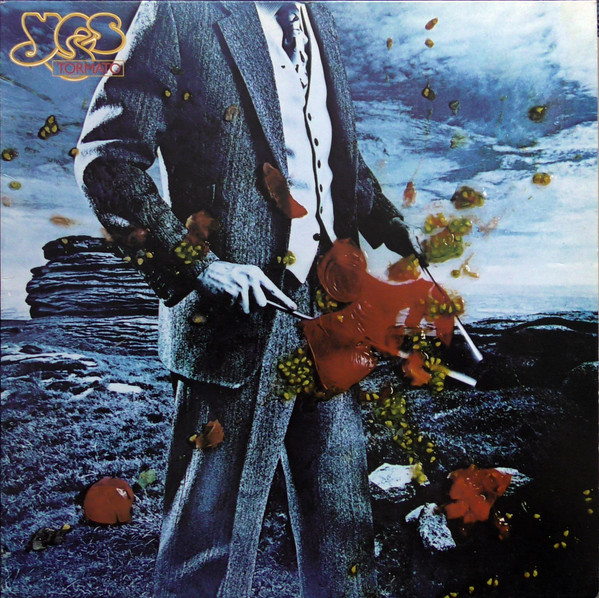
In my collection I have the original first British pressing from 1978 (Atlantic label, catalogue number K 50518) with a beautiful cover, one of the most interesting album covers released in 1978.
Cover
The cover was created by the design trio Hipgnosis, who have designed hundreds of rock album covers for bands including Pink Floyd, Led Zeppelin, Electric Light Orchestra, and Wishbone Ash. A record with a jacket like this is one you’ll want on your shelf!
Sleeve
Labels
Matrix numbers
My copy has the following matrix numbers: E.G. STRAWBERRY S-29 K50518-A4 (side 1) and E.G. S-10 K50518-B4 (side 2), which according to Discogs is one of two known combinations used in the production of this record.



Share Your Opinion