
 Vinyl Nostalgia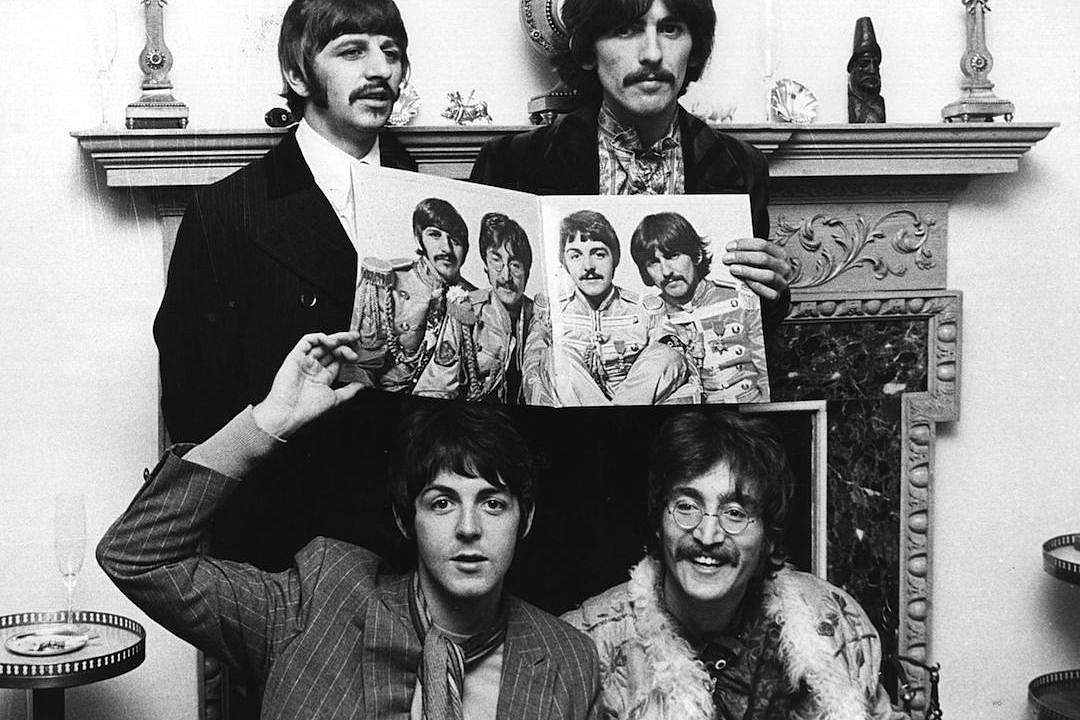
– *Sgt. Pepper's Lonely Hearts Club Band* is one of the most important rock & roll albums ever made, an unparalleled adventure in concept, sound, songwriting, cover art, and studio technology, created by the greatest rock & roll band of all time. From the powerful and majestic brass section and rasping guitars of the title track to the orchestral climax and the long, poignant piano chord at the end of “A Day in the Life,” the 13 tracks on Sgt. Pepper’s Lonely Hearts Club Band represent the pinnacle of the Beatles’ eight-year studio career. John Lennon, Paul McCartney, George Harrison, and Ringo Starr were never more fearless and united in their pursuit of magic and transcendence—that’s how Rolling Stone magazine justified the album’s top spot on its list of the 500 Greatest Albums of All Time (the 500 greatest albums in history).
There are many different stories circulating about the origins of the album’s concept, but Paul McCartney himself—who came up with the idea of a fictional orchestra to serve as the band’s alterfor the band, stated that the turning point was a flight from Nairobi to London in November 1966. It was then, while returning from a vacation in Kenya with his girlfriend, actress Jane Asher, and his friend Mal Evans, that Sgt. Pepper was conceived. In the literature on The Beatles, two versions of the same story can be found. According to one of them, during a meal on board, Evans asked Paul to pass the salt and pepper, and a distracted McCartney heard “Sergeant Pepper.”
Here is a somewhat biased guide to this album.
SIDE ONE
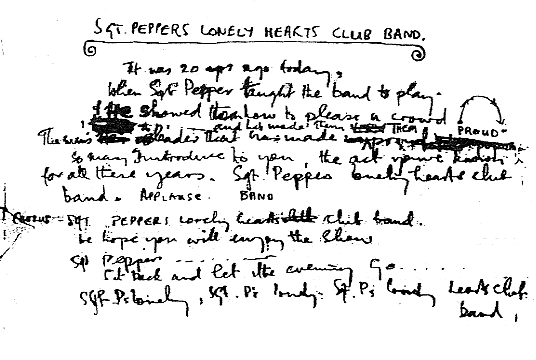
1. “Sgt. Pepper’s Lonely Hearts Club Band”—the title track wasn’t actually the first song written, but it’s certainly the most recognizable on the entire album.
The song was recorded in just four days. On February 1, 1967, The Beatles recorded nine takes of the rhythm track (drums, bass, and guitars). McCartney and Harrison played the guitars. The next day, Paul added the lead vocals, and Lennon and Harrison added backing vocals. A month later, the brass instruments and the guitar solo—also played by Paul McCartney—were recorded. Finally (on March 6, 1967), sounds of an imaginary audience and the hum of an orchestra tuning up were mixed into the finished track, using recordings of audience reactions from the comedy series “Beyond The Fringe” (from 1961), as well as elements of unused orchestral recordings from the February session during which “A Day in the Life” was recorded. A little-known tidbit is that the title track was combined with the song “With a Little Help From My Friends” using recordings of the crowd’s hysterical reaction, captured during The Beatles’ concert at the Hollywood Bowl (source: The Beatles Bible).
It’s hard to imagine a better opening for an album that is, in fact, meant to be an imaginary concert. The song is incredibly expansive and dynamic. Sharp guitar and powerful drums, topped off with great French horn interludes. In my opinion, one of the three best tracks on this album.
2. “With a Little Help From My Friends” — this was the last song written and recorded for this album. Paul McCartney compared the creative process of writing songs for Ringo Starr to “composing the title track for a James Bond movie” (source: Barry Miles, *Many Years From Now*). The song was recorded in its entirety on the night of March 29–30, 1967, and then spliced together with the album’s opening track as a performance by Sgt. Pepper (a preview of it appears in the lyrics of “Sgt. Pepper’s Lonely Hearts Club Band”). The two tracks fit together exceptionally well, making it hard to believe they weren’t conceived as a single, planned unit from the start. The only weaker part is Ringo’s final vocal, which could have been replaced by instrumental parts; as it is, it slightly detracts from the quality of this excellent start to the album. Ringo Starr admitted, in fact, during an interview on the British television program *The South Bank Show*, that this particular vocal part gave him the most trouble during the recording session.
3. “Lucy in the Sky With Diamonds”—this famous psychedelic track is one of the album’s strongest moments. Debates over the title continue to this day, though Lennon insisted that it was his then-three-year-old son Julian who came up with it; Julian had drawn his classmate Lucy O’Donnell at preschool, and when asked who this strange-looking person was, he replied: “It’s Lucy in the sky with diamonds.”
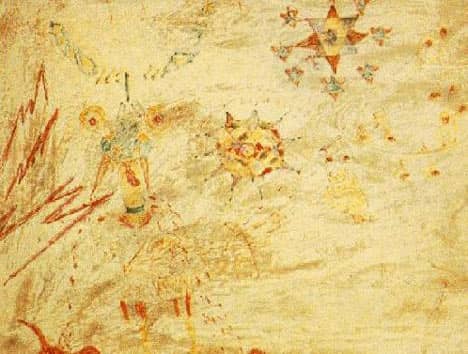
“I made a mistake by telling a few friends at school that I was the Lucy in the song, but they said: “No, it’s not you; my parents said it’s about drugs”—this statement by Lucy O’Donnell herself was quoted by the media in 2009 (via the Associated Press) when reporting on her untimely death.
The song “Lucy in the Sky With Diamonds” was recorded over two days, March 1 and 2, 1967. John Lennon sang the lead vocals, and Paul McCartney added backing vocals.
4. “Getting Better” is another track from this album whose concept originated in McCartney’s mind and is linked to a saying that became an inside joke that only the Beatles themselves could laugh at. Drummer Jimmie Nichol, who stood in for the ailing Ringo Starr during 10 concerts on the 1964 world tour, was asked by someone if he had gotten used to Beatlemania yet, to which he replied: “It’s getting better and better” (source: Steve Turner, *A Hard Day’s Write*).
A very solid, catchy song that tones down the slightly psychedelic vibe of the previous track.
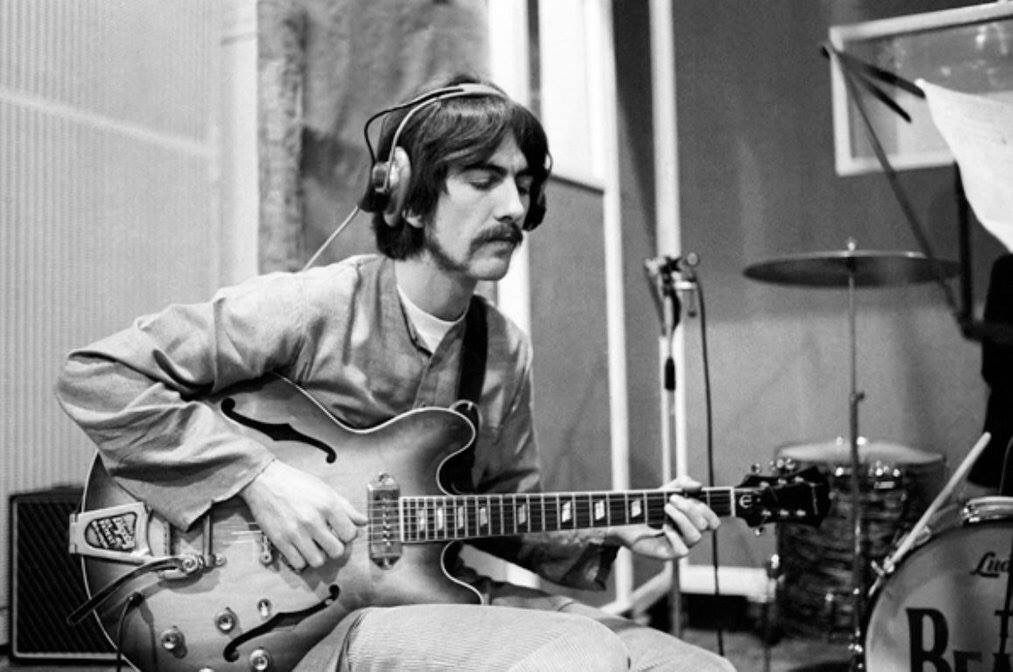
5. “Fixing a Hole” — another song suspected by many of having drug-related themes, recorded over two sessions in February 1967. The final version features two bass guitar tracks (one of which was reportedly played by John Lennon, who considered the song’s lyrics to be a masterpiece by McCartney), and the whole thing was, of course, mixed in mono. At 2 minutes and 6 seconds into the song, you can hear where two different versions used in the mix were spliced together. The only thing one might regret is the lack of a horn section, which would have fit this song very well, making it even more consistent with the concept of the Sgt. Pepper’s Lonely Hearts Club Band concert.
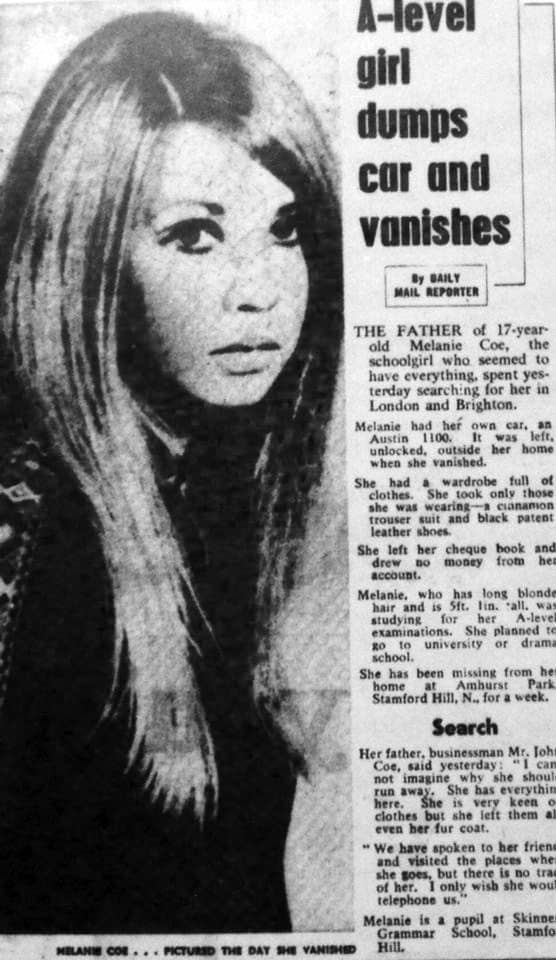
6. “She’s Leaving Home” – This delicate and rather sad story about a girl running away from home was based on the true story of 17-year-old Melanie Coe, which McCartney read on February 27, 1967, in the Daily Mail.
As with “Eleanor Rigby” earlier, The Beatles did not record a single note on any instruments for “She’s Leaving Home.” Instead, an instrumental track featuring harp, violins, violas, cellos, and double bass was recorded by session musicians. The sessions lasted two days (March 17 and 20, 1967), and only McCartney and Lennon were present in the studio (on March 20).
George Martin later stated that “She’s Leaving Home” was “not a Beatles song at all,” but rather “pure McCartney, from start to finish.”
As far as I’m concerned, “Penny Lane” could have been included here instead.
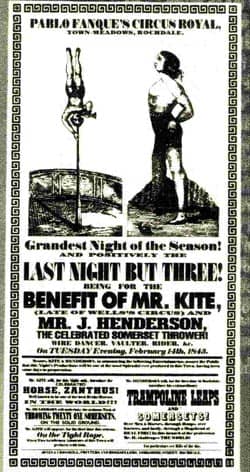
7. “Being for the Benefit of Mr. Kite!”—to close out the first side of the album, we have another psychedelic track, this time based on an 1843 circus poster that John Lennon bought at a small antique shop in Sevenoaks, Kent, while filming the promotional video for “Strawberry Fields Forever.”
Recording this song took five full days in late February and late March 1967. John Lennon recalled that he sat down at the piano and sang the words and verses from the poster until they formed the song’s lyrics, after which Paul McCartney expanded on them a bit. George Martin played the organ part on this track, and Mal Evans—a friend of the band (and, incidentally, a Beatles roadie) and likely the accidental creator of the character Sergeant Pepper—played the bass harmonica. Interestingly, Paul McCartney also recorded the guitar solo for this song.
The Beatles never performed this song live, but Paul McCartney—who considers himself its co-writer—added it to the setlist of his 2013 tour.
All in all, it’s an excellent first side of the album, which could have been downright brilliant if it had also included the song “Penny Lane.”
A guide to the B-side is available here.