Vinyl Nostalgia
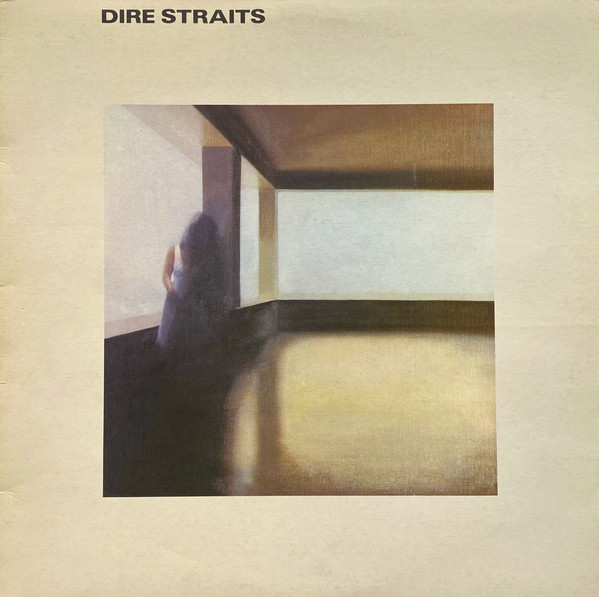
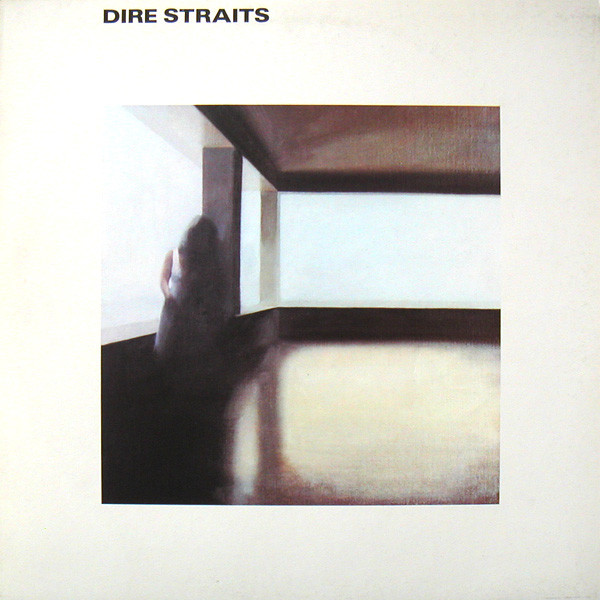
The self-titled debut album by British rock band Dire Straits was released on 9 June 1978 by Vertigo Records — a Phonogram imprint — across most international markets. In the United States it appeared on Warner Bros. Records on 20 October 1978, with Mercury Records handling the Canadian release.
The album was recorded at Basing Street Studios in Notting Hill, London, between 13 February and 5 March 1978, on a budget of just £12,500 (approx. 16,546 USD). The producer was Muff Winwood — older brother of Steve Winwood and former bass player in the Spencer Davis Group — with Rhett Davies as engineer. That combination of a tight budget, dry acoustics and Knopfler’s fingerpicking technique gave the record its uncompromising character, so conspicuously at odds with the mainstream production of the time.
One noteworthy detail of the original pressing: the album contains a slightly shorter version of „Sultans of Swing,” cutting off before the final bars of the closing guitar solo fully resolve. The complete version appeared on the 1996 remaster, which covered most of the world; the United States had to wait until 19 September 2000. It is worth noting that several distinct recordings of the song exist: an early demo from Pathway Studios (approximately six minutes, released as the first UK single in May 1978), the album recording (5:46), and certain pre-1996 CD pressings that fade out at 5:36.
The original pressing can be identified by a combination of cover details, inner sleeve and label.
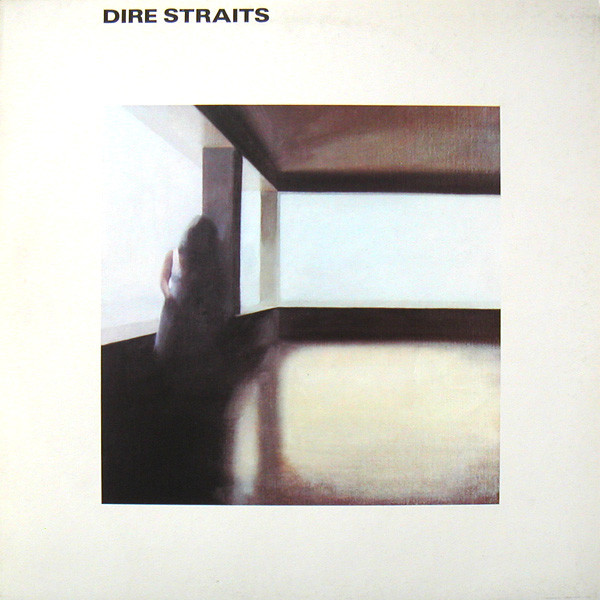
The back cover — The most reliable visual indicator is the lower right corner of the back cover. One variant of the first pressing carries the full Phonogram address beneath the Phonogram Limited credit, exactly as shown in the illustration below:

A second variant omits the address while retaining all other printing. Both are considered first pressings.

My copy has the second, address-free variant.
The inner sleeve — Original copies include a heavyweight cardboard inner sleeve printed with the full song lyrics on one side and a large, informal photograph of the band on the reverse.
The label — First pressings carry Vertigo’s so-called „spaceship” label: the distinctive psychedelic design featuring spacecraft against a green-brown nebula, with the Vertigo swirl logo at the base. The catalogue number is 9102 021. Look for the following on the label: ℗ 1978 Phonogram Ltd., Made in England, Produced by Muff Winwood. The 1982 reissue replaced this label with a new orange-yellow design, so any copy carrying the spaceship label dates from the original pressing window.
Depending on whether a given copy comes from an earlier or later production run, the label colour may vary slightly in shade — tending more towards blue or more towards green. There are also minor variations in the position of the side number (printed to the left of the centre hole), which shifts slightly up or to the left across different stamping runs.
Matrix numbers — the key to identifying your pressing
The most precise identification tool is the matrix number hand-etched into the runout groove — the narrow, unmodulated band between the final track and the label. It is worth photographing this area on your own copy, as these numbers are what allow you to establish which specific production run a record comes from.
My copy carries the following matrix numbers, which identify it as a very late first pressing:
Side 1: 9102021 1Y // 5 ▽ E 420 12 12
Side 2: 9102021 2 // 9 ▽ E 420 11 1
The number following // is the stamper number, and it is this figure that determines the production batch. My copy presents an interesting hybrid: stamper 5 on Side 1 was used exclusively during the first pressing run, while stamper 9 on Side 2 appears primarily on the 1982 reissue — but only with the new orange-yellow label. The presence of the spaceship label alongside stamper 9 places this copy at the very end of the original production run, when the later stampers were already in use but the new label design had not yet been introduced.
Discogs documents the following matrix combinations as typical of the first UK pressing:
| Matrix variants — first UK pressing (Vertigo 9102 021) | ||
| Var. 1 | Side 1stamp. 4 | 9102021 1Y // 4 ▽420 04 18 21 |
| Side 2stamp. 5 | 9102021 2Y // 5 ▽420 04 18 15 |
|
| Var. 2 | Side 1stamp. 4 | 9102021 1Y // 4 ▽420 04 18 |
| Side 2stamp. 5 | 9102021 2Y // 5 ▽420 04 17 24 |
|
| Var. 3 | Side 1stamp. 4 | 9102021 1Y // 4 ▽420 04 16 |
| Side 2stamp. 5 | 9102021 2Y // 5 ▽ 420 04 16 |
|
| Var. 4 | Side 1stamp. 5 | 9102021 2Y // 5 ▽ 420 04 11 32 |
| Side 2stamp. 5 | 9102021 2Y // 5 ▽ 420 04 11 20 |
|
| Var. 5 | Side 1stamp. 4 | 9102021 1 Y // 4 ▽420 04 2 4 |
| Side 2stamp. 5 | 9102021 2 Y // 5 ▽420 04 11 12 |
|
| Var. 6 | Side 1stamp. 4 | 9102021 1Y // 4 ▽420 04 11 8 |
| Side 2stamp. 5 | 9102021 2Y // 5 ▽420 04 11 9 |
|
| Var. 7 | Side 1stamp. 5 | 9102021 1Y // 5 ▽ E 420 11 1 |
| Side 2stamp. 5 | 9102021 2Y // 5 ▽ 420 04 16 2 4 |
|
| Var. 8 | Side 1stamp. 4 | 9102021 1Y//4▽420 04 12 |
| Side 2stamp. 5 | 9102021 2Y//5▽420 04 14 4 |
|
| Var. 9 | Side 1stamp. 4 | 9102021 1Y//4▽420 04 1 7 4 |
| Side 2stamp. 5 | 9102021 2Y//5▽420 04 1 5 11 |
|
| Var. 10 | Side 1stamp. 4 | 9102021 1Y // 4 ▽420 04 18 |
| Side 2stamp. 5 | 9102021 2Y // 5 ▽ 420 04 16 2 0 |
|
| Var. 11 | Side 1stamp. 4 | 9102021 1Y//4▽420 04 11 23 |
| Side 2stamp. 5 | 9102021 2Y//5▽420 04 1 1 |
|
| Borderline variant — late first pressing / early reissue | ||
| Var. 12 | Side 1stamp. 5 | 9102021 1Y // 4 ▽420 04 19 3 |
| Side 2stamp. 6 | 9102021 2Y // 6 ▽E420 11 6 — stamper 6 appears only in this variant; suggests a late first pressing or early reissue. |
|
| My copy — hybrid pressing from the boundary | ||
| My copy | Side 1stamp. 5 | 9102021 1Y // 5 ▽ E 420 12 12 — stamper 5 found exclusively on first pressings. |
| Side 2stamp. 9 | 9102021 2 // 9 ▽ E 420 11 1 — stamper 9 associated mainly with the 1982 reissue, but the presence of the spaceship label confirms this as a very late first pressing. |
|