
 Vinyl Nostalgia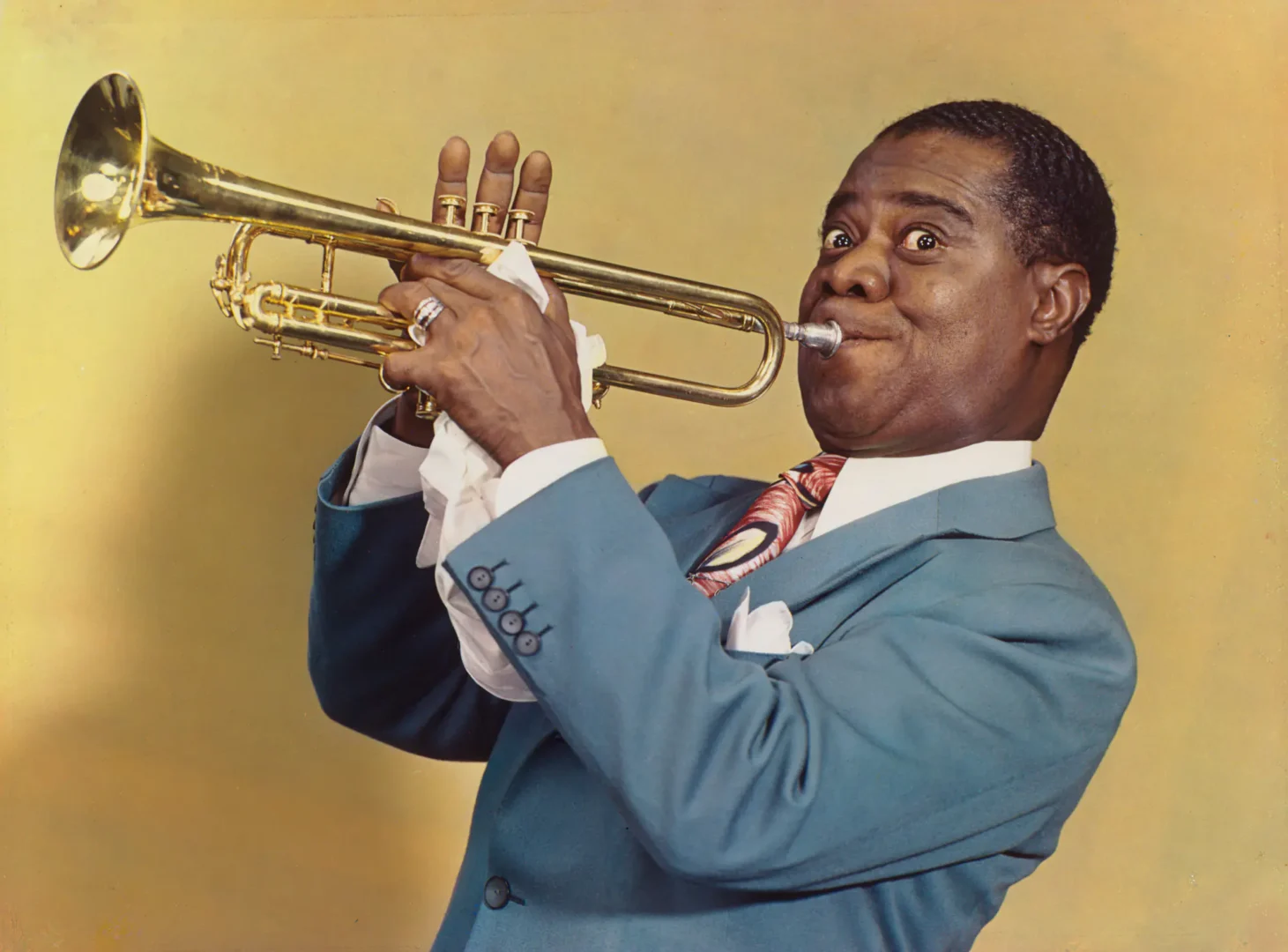
The song was written in 1967 by Bob Thiele (under the pseudonym George Douglas) and George David Weiss. It was composed specifically for Louis Armstrong, the jazz legend whose legacy had already been firmly established through decades of groundbreaking performances and recordings. Armstrong was over 60 at the time, viewed by many as a relic of a bygone era of jazz, yet still adored by millions.
When the song was recorded on August 16, 1967, the United States was mired in the Vietnam War, and racial tensions had reached a boiling point, particularly in cities like Detroit and Newark. Riots had erupted that summer, and the counterculture movement was growing stronger by the day. Amid all this, Armstrong, a Black man who grew up in poverty in New Orleans and experienced the ravages of racism firsthand, recorded a song that eschewed protest and outrage in favor of quiet reflection. It was a deliberate counterpoint to the turmoil of the era. The lyrics, simple and unadorned, highlighted things often overlooked in the rush of modern life: green trees, red roses, blue skies, white clouds, a bright, blessed day, a dark, holy night. It was a hymn in praise of life’s everyday miracles.
– It seems to me that it’s not the world that’s so bad, but what we do to it. And I just say: what a wonderful world it would be if we only gave it a chance — Louis Armstrong
Louis Armstrong’s “What a Wonderful World” was originally released as a single in 1967 and—like many hits of the time—did not immediately appear on any American LP. The first album to feature the song was *What a Wonderful World* (1968, UK – HMV Records). In the United States, the song did not originally appear on an LP—mainly due to a conflict between Armstrong and the management of his American record label. The track did not appear on albums until later compilations, including Louis Armstrong’s Greatest Hits (1970) and What a Wonderful World (1988)
Louis Armstrong is probably the most famous trumpeter in history, but he did not play his signature instrument on this track. During live performances, he held the trumpet but did not play it.
“What a Wonderful World” became Armstrong’s signature song, but it does not represent the full scope of his body of work, which defines his contribution to jazz. It did, however, help draw attention to his talent, ensuring his recognition beyond the jazz community. As the song’s popularity grew, so did Armstrong’s legacy; Ken Burns’ 2001 “Jazz” series recognizes him as one of the genre’s most important musicians.
In 2007, a cover by Katie Melua and Eva Cassidy reached number one on the UK charts. It was an unusual duet in which Melua’s vocals were combined with those of the late Eva Cassidy (“What A Wonderful World” was also the last song Eva Cassidy performed in public). The charity single for the Red Cross was available only at Tesco stores in the UK. Cassidy died of cancer on November 2, 1996, 11 years before she reached the peak of her popularity thanks to this single.