Vinyl Nostalgia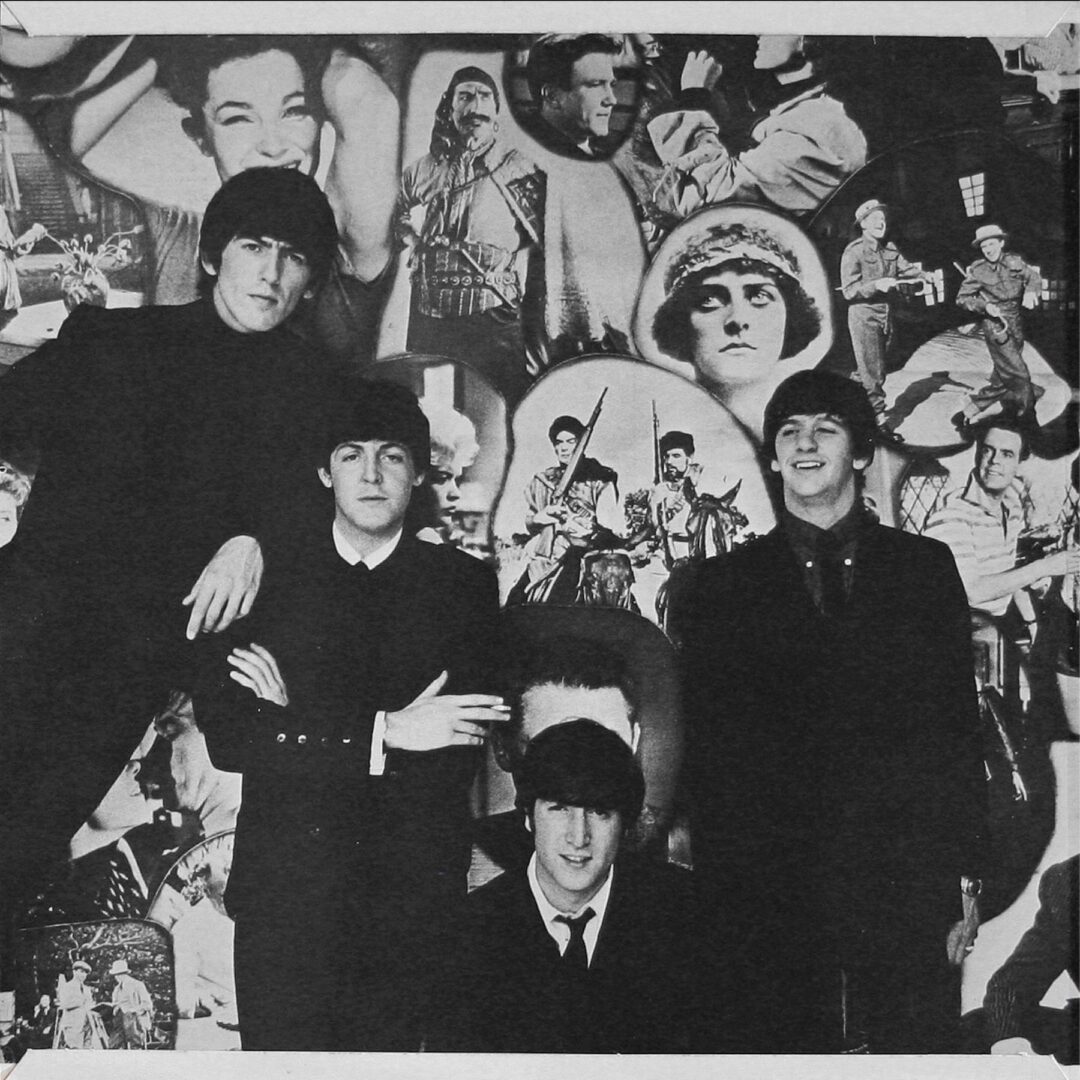
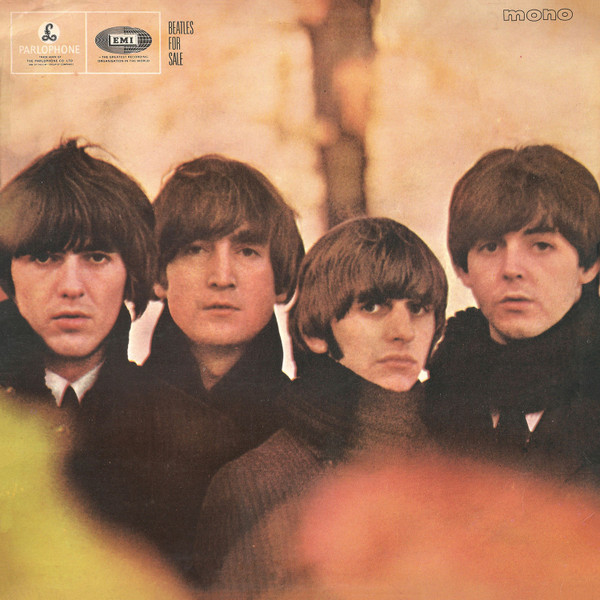
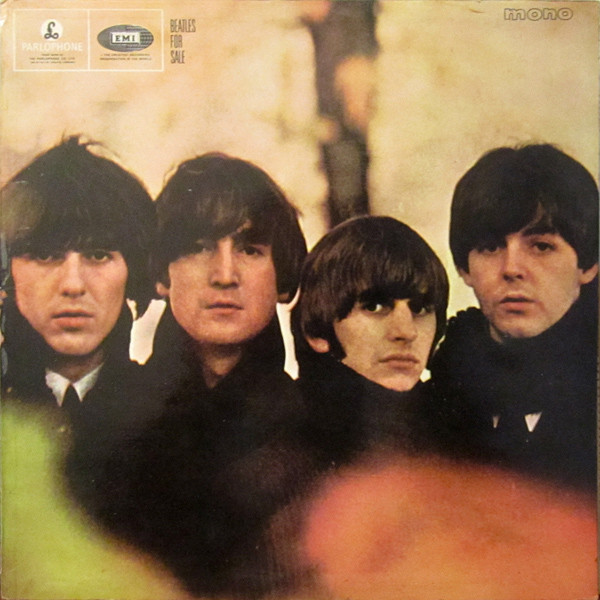
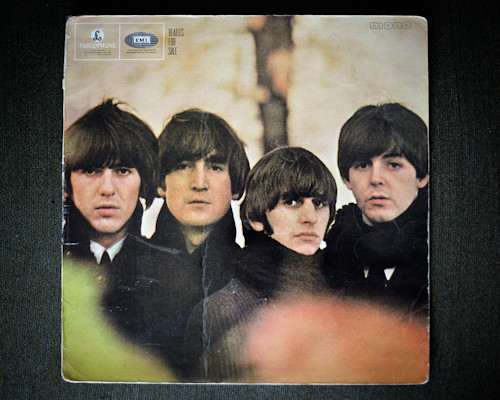
Beatles For Sale, the Beatles’ fourth studio album, was released simultaneously on 4 December 1964 in mono (Parlophone PMC 1240) and stereo (PCS 3062). With well over half a million advance orders, the first pressing vanished from the shelves within days — yet the most sought-after pressing today is paradoxically not the original but the 1965 second stereo pressing, and that is entirely down to a label-printer’s slip.
The £250 (approx. 331 USD) Typo
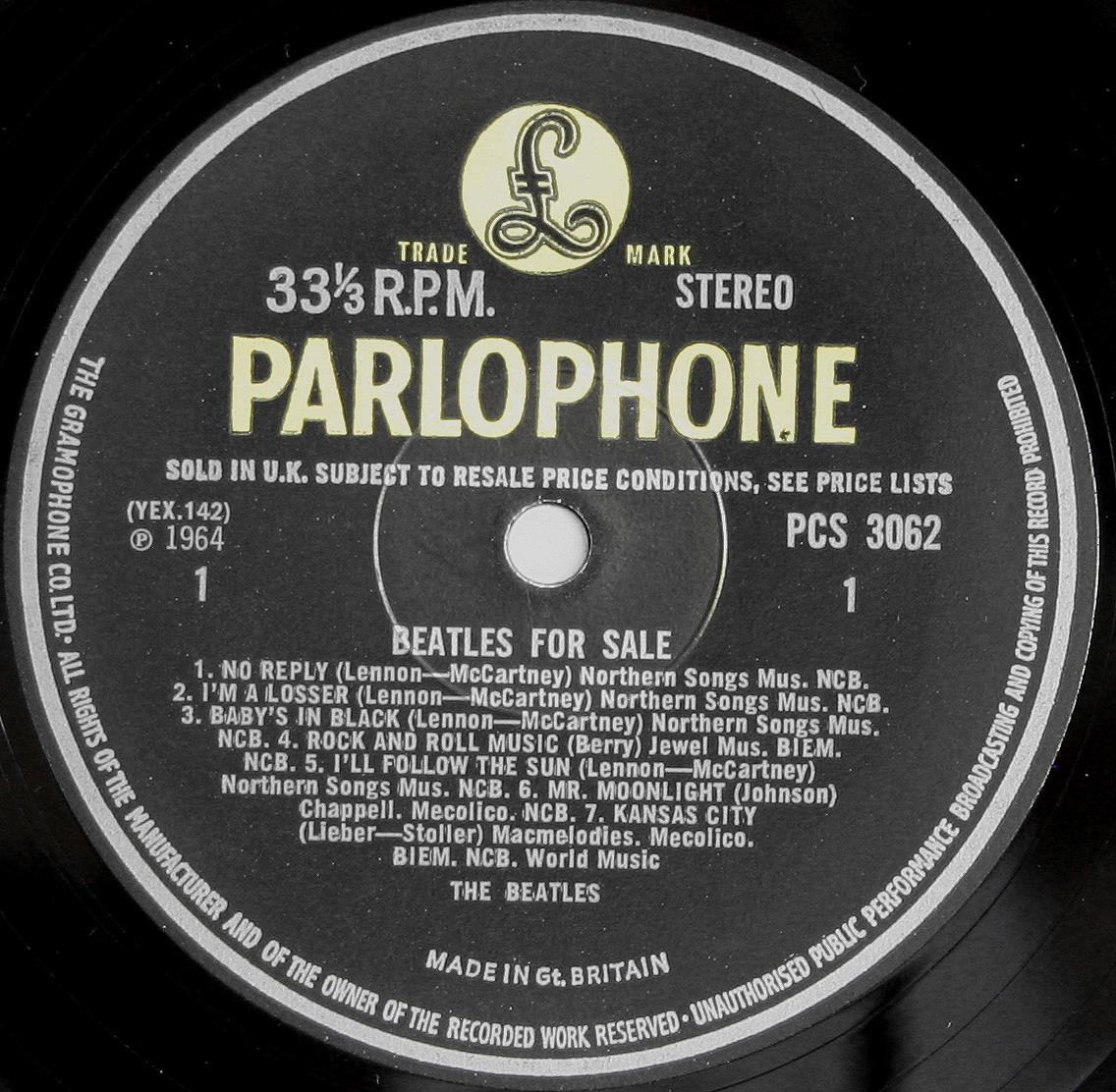
On the side 1 label of the second pressing, track 2 reads „I’m A Losser” instead of „I’m A Loser”. And that’s not the only howler — some copies also carry the credit „Northern Ssongs” instead of „Northern Songs” for „Eight Days A Week”. As Goldmine put it: „someone at Parlophone obviously had reallllly poor proooofing skills.” For a collector, a gift from above.
According to the Rare Record Price Guide, the second stereo pressing with the „I’m A Losser” misprint is valued at:
- £250 (approx. 331 USD) (NM — Near Mint)
- £200 (approx. 265 USD) (EX — Excellent)
- £125 (approx. 165 USD) (VG — Very Good)
- £20 (approx. 26 USD) even in poor condition
It is worth noting that part of the second pressing run was already corrected during production — those „clean” copies revert to the normal second-pressing valuation.
Why Is the Misprint Worth More Than the First Pressing?
Here’s a paradox that deserves unpacking. The first stereo pressing without the misprint is valued at £200 (approx. 265 USD) NM — fifty quid less than the misprinted second pressing. Why? Because collectors don’t fetishize chronological firsts so much as specific, quantifiable rarities. A printing error is a countable anomaly — there is a finite, small run of „Losser” copies (pressed before someone at Parlophone caught it and fixed the label plate), whereas the first stereo pressing, although older and rare in its own right, went out in a larger print run. This logic governs the whole universe of Beatles collecting.
What to Check When You Hold a Copy
When you spot a Beatles For Sale with the black-and-yellow Parlophone label, three things will tell you what you’re holding:
First — the title of track 2 on side 1. If it reads „I’m A Losser”, you have the second stereo pressing with the misprint — the most valuable version. If it also says „Northern Ssongs” next to „Eight Days A Week”, even better.
Second — the rim text. If it starts with „The Parlophone Co. Ltd.”, you have a first pressing (December 1964), whether mono or stereo. From 1965 onwards the text was changed to „The Gramophone Co. Ltd.” The first pressing also carries „Recording first published 1964” (later changed to „(p) 1964”) and „Sold in U.K. subject to…”.
Third — the tax code. Between the spindle hole and the inner groove you’ll find a two-letter embossed tax code. First pressings usually carry „KT” (the code for the 25% UK purchase tax in force from 1 July 1963 to March 1968). A handful of very early December 1964 copies, however, carry the older „MT” code (in force January–June 1963) — evidently left over from an earlier batch of label stock. Discogs documents both variants for the first pressing. Paradoxically, the MT variant can be even more desirable for collectors — it’s a small clue to the very earliest days of production.
First Stereo Pressing (PCS 3062)
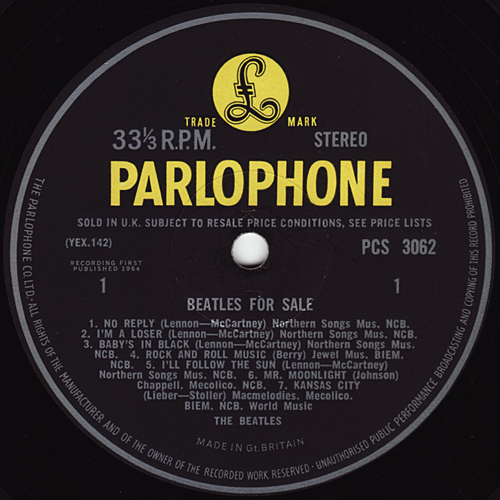
Released 4 December 1964. Matrix numbers in the dead wax: YEX 142-1 (side 1) and YEX 143-1 (side 2). Gatefold sleeve by Garrod & Lofthouse Ltd., laminated front and back, with the word „stereo” in outline letters on the front. Inside: the original tracing-paper-lined die-cut inner sleeve with the „Use Emitex” logo. Valuations from the Rare Record Price Guide:
- £200 (approx. 265 USD) (NM) — a condition that, for a 1964 pressing, is almost a lottery
- £160 (approx. 212 USD) (EX)
- £100 (approx. 132 USD) (VG)
A collector’s note: there also exists a variant of the first stereo pressing in which „STEREO” on the label is shifted slightly to the left (the „O” lined up with the right side of the „N” in PARLOPHONE), with the MT tax code — this is the very earliest sub-variant of the first pressing, listed separately by Discogs.
First Mono Pressing (PMC 1240)
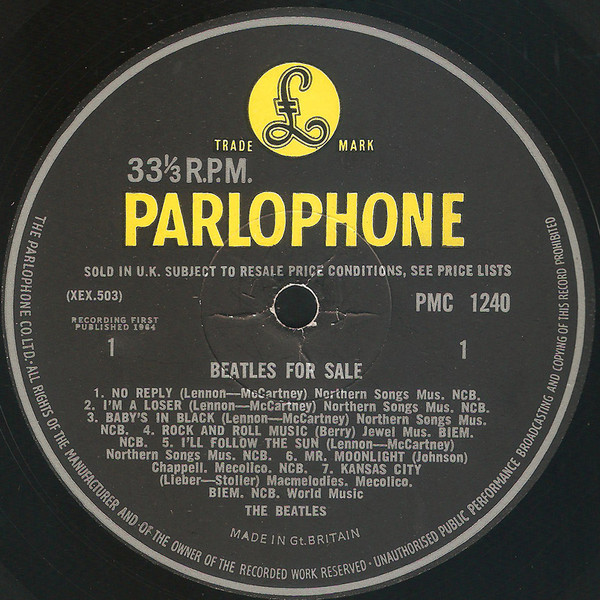
Matrix numbers: XEX 503-3N (side 1) and XEX 504-3N (side 2). Here’s a nuance though — TheBeatles-collection notes that crossover pressings also exist within the first pressing window: 3N/4N, 4N/3N, and 4N/4N combinations. All of them are classified as first-pressing December 1964 copies, because they share the same labels, sleeve, and inner. Only -5N and later matrix suffixes denote subsequent pressings. The rim text, of course, starts with „The Parlophone Co. Ltd.”
Rare Record Price Guide valuations:
- £100 (approx. 132 USD) (NM)
- £80 (approx. 106 USD) (EX)
- £50 (approx. 66 USD) (VG)
Mono is cheaper than stereo because it was pressed in far greater quantities — in 1964 stereo was still a luxury, and most British households owned mono record players.
Kansas City — a Legal Curiosity
Here’s something that rarely appears in the collector literature: the very first pressing of Beatles For Sale had track A7 listed on the label simply as „Kansas City” (Lieber-Stoller) — credited to Jerry Leiber and Mike Stoller. The problem was that the Beatles’ rendition was in fact a medley combining that song with Little Richard’s „Hey! Hey! Hey! Hey!” (composed by Richard Penniman), to which Venice Music held the rights. After Venice Music’s attorneys intervened, the label was revised to read: „Medley: (a) Kansas City (Leiber/Stoller) (P)1964 Macmelodies Ltd./KPM. (b) Hey, Hey, Hey, Hey (Penniman) Venice Mus. Ltd. (P)1964.” First-pressing copies with the original single „Kansas City” credit on the label are especially prized — another countable anomaly, like the „I’m A Losser” misprint that would follow months later.
Reading the Stampers — Identifying the Very Earliest Copies
For the obsessive: the 3 o’clock position in the dead wax carries a letter code for the stamper, using the system GRAMOPHLTD, where G=1, R=2, A=3, M=4, O=5, P=6, H=7, L=8, T=9, D=0. The 9 o’clock position shows the mother number — the intermediate plate from which the stamper was made. The combination YEX 142-1 / mother 1 / stamper G means: first lacquer, first mother, first stamper. That’s the holy grail — one of the first 300 or so copies pressed on 4 December 1964. This level of detail can sometimes double the price even within the first pressing.
Later Pressings (1969 and Beyond)
From 1969 onwards the rim text changed to „The Gramophone Co. Ltd.”, and through the next decade Parlophone cycled through several label generations — silver-and-black with the EMI logo in the 1970s, two EMI logos later, then the dematerialised „all rights” style of the 1980s. These pressings sit at £20 (approx. 26 USD)–30 — roughly what they fetch on auction sites in good condition. Good listening copies, but of little collector interest.
Separately worth noting: The Beatles in Mono, the 2014 boxed set (Parlophone 5099963380118), in which Beatles For Sale was pressed on 180g vinyl by Optimal Media GmbH in Germany from the original analogue mono tapes, with a facsimile Garrod & Lofthouse gatefold. This reissue is itself starting to attract £40 (approx. 53 USD)–60 on the secondary market — vinyl inflation reaches even recent boxed sets.
Comparative Table of Pressings
| Pressing | Year / Cat. No. | Matrices / Markings | Identifying Features | RRPG Value (NM/EX/VG) |
|---|---|---|---|---|
|
1st pressing, mono
mono |
1964 Parlophone PMC 1240 |
XEX 503-3N
XEX 504-3N
(or crossover: 3N/4N, 4N/3N, 4N/4N) |
Rim text: „The Parlophone Co. Ltd.” „Recording first published 1964”, „Sold in U.K.” KT tax code (or early MT). Garrod & Lofthouse gatefold. „Use Emitex” die-cut inner sleeve. |
£100 (approx. 132 USD) NM £80 (approx. 106 USD) EX £50 (approx. 66 USD) VG |
|
1st pressing, stereo
stereo |
1964 Parlophone PCS 3062 |
YEX 142-1
YEX 143-1
|
Rim text: „The Parlophone Co. Ltd.” „Recording first published 1964”, „Sold in U.K.” KT tax code (or early MT). Gatefold with „stereo” outline on front. „Use Emitex” die-cut inner sleeve. |
£200 (approx. 265 USD) NM £160 (approx. 212 USD) EX £100 (approx. 132 USD) VG |
|
2nd pressing, stereo — „I’m A Losser” MISPRINT
misprint |
1965 Parlophone PCS 3062 |
YEX 142-1
YEX 143-1
(same matrices as 1st pressing) |
Rim text: „The Gramophone Co. Ltd.” „(p) 1964” instead of „Recording first published 1964” Side 1 label reads „I’m A Losser” Some copies: „Northern Ssongs” for „Eight Days A Week” |
£250 (approx. 331 USD) NM £200 (approx. 265 USD) EX £125 (approx. 165 USD) VG highest value |
|
2nd pressing, stereo (corrected)
stereo |
1965 Parlophone PCS 3062 |
YEX 142-1
YEX 143-1
|
Rim text: „The Gramophone Co. Ltd.” Title corrected to „I’m A Loser” Sleeve and inner as 1st pressing |
£80 (approx. 106 USD) NM £60 (approx. 79 USD) EX £40 (approx. 53 USD) VG |
|
Pressings 1969–1980
stereo |
1969+ Parlophone / EMI PCS 3062 |
YEX 142-1 to -4 YEX 143-1 to -4 |
Silver-and-black label with EMI logo (one or two EMI logos depending on year) Rim text: „The Gramophone Co. Ltd.”, later „EMI Records Ltd.” No „Sold in U.K.” |
£20 (approx. 26 USD)–30 NM little collector value |
|
The Beatles in Mono (reissue)
2014 reissue |
2014 Parlophone 5099963380118 |
180g vinyl Optimal Media GmbH |
Facsimile Garrod & Lofthouse sleeve Cut from original analogue mono tapes Issued in „The Beatles in Mono” box or separately |
£40 (approx. 53 USD)–60 (secondary market) |
|
Quick first-pressing check (mono and stereo): rim text begins „The Parlophone Co. Ltd.” · „Recording first published 1964” above the side numeral · „Sold in U.K. subject to…” across the middle · KT tax code (or MT in very early copies) · Garrod & Lofthouse gatefold sleeve · „Use Emitex” die-cut inner sleeve · on side A, track 7 listed simply as „Kansas City (Lieber-Stoller)” without the medley wording (a very rare early label variant, withdrawn after the Venice Music intervention) |
||||