Vinyl Nostalgia
 Back to The Beatles discography
Other known matrix variants
Known matrix stamper variants of this pressing (different mother numbers, stamper letters, or re-cuts).
-
Variant 2 2nd press for export to Switzerland
- A
SHZE-401-A-1- B
SHZE-401-B-2
Tracklist
Side A
- Sgt. Pepper's Lonely Hearts Club Band
- With A Little Help From My Friends
- Lucy In The Sky With Diamonds
- Getting Better
- Fixing A Hole
- She's Leaving Home
- Being For The Benefit Of Mr. Kite !
Side B
- Within You Without You
- When I'm Sixty-Four
- Lovely Rita
- Good Morning Good Morning
- Sgt. Pepper's Lonely Hearts Club Band (Reprise)
- A Day In The Life
Labels & dead wax
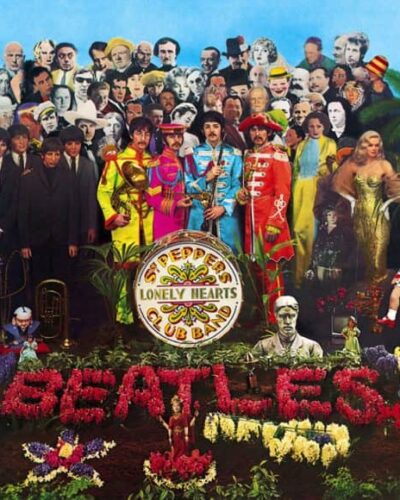
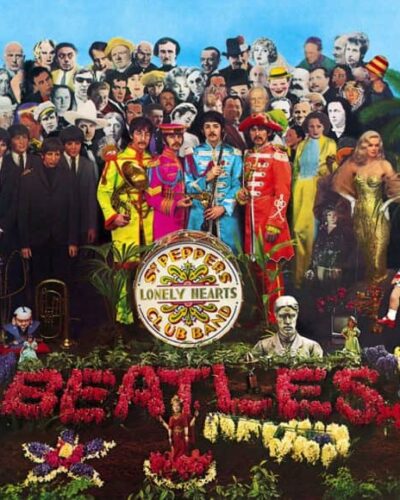
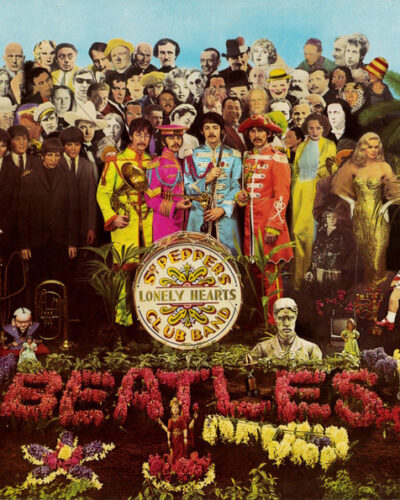
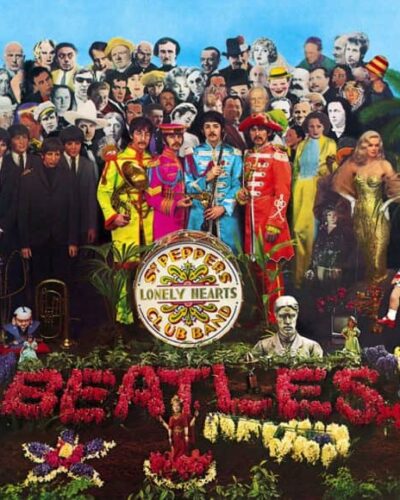
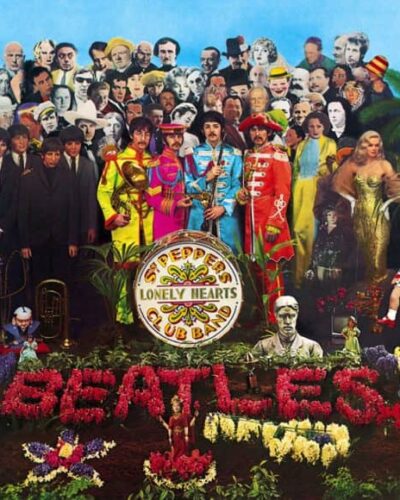
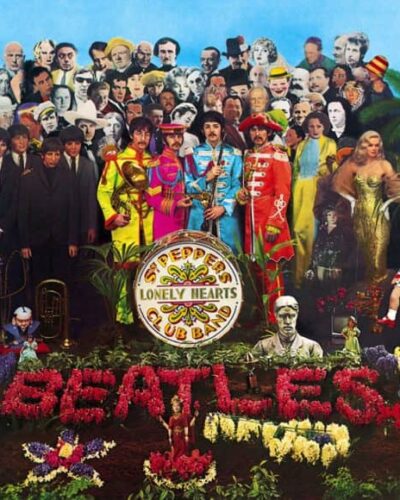
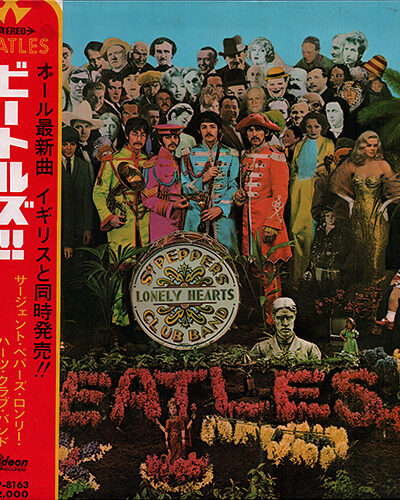
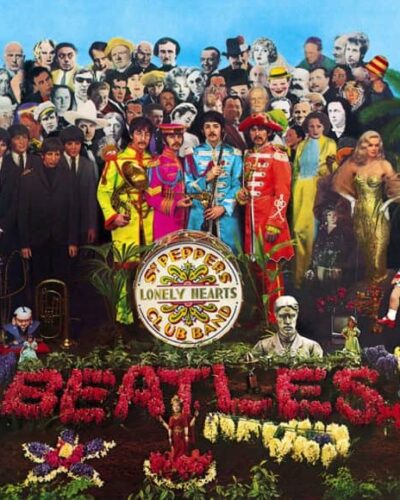
Visual reference for this specific pressing. Click any image to enlarge.
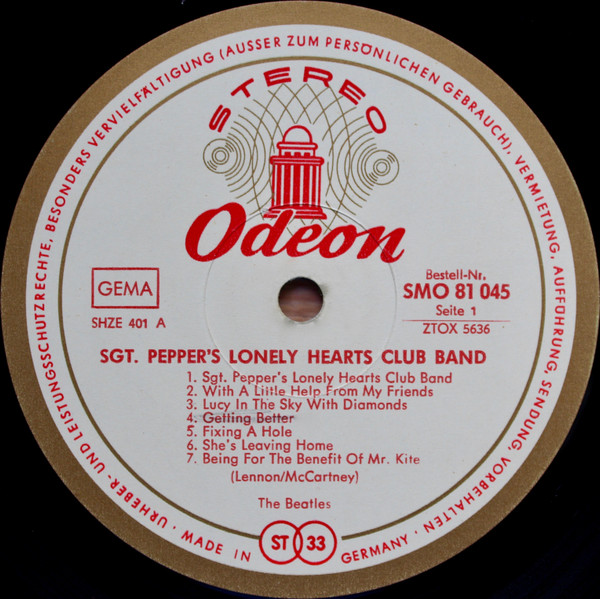
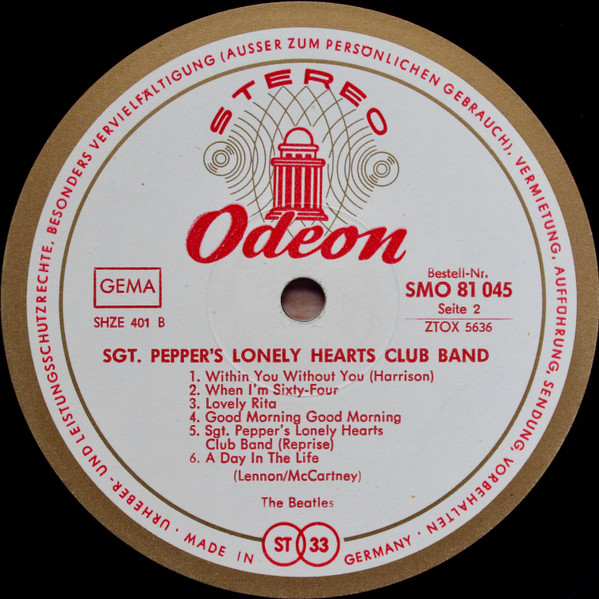
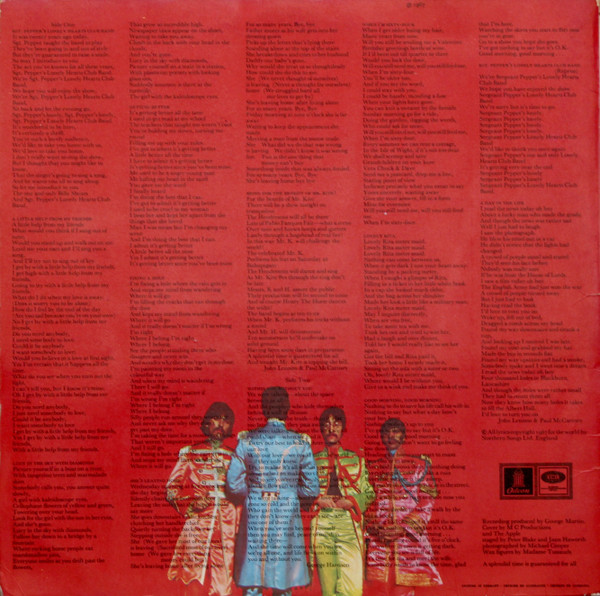
Why this pressing matters
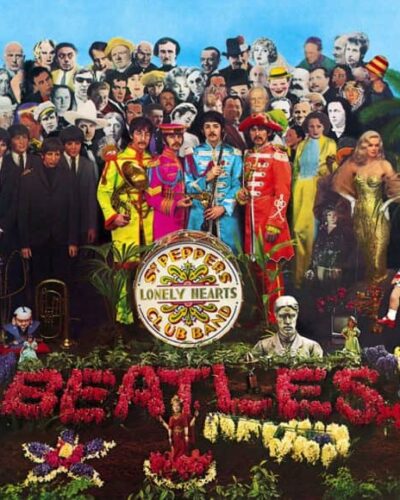
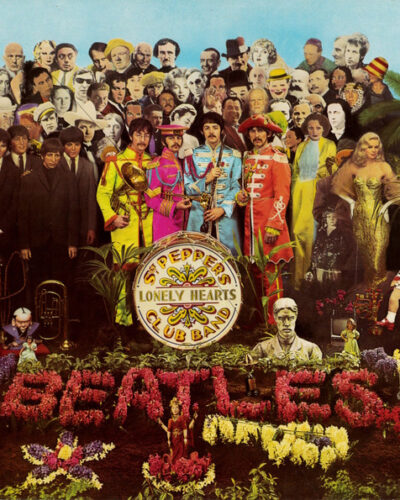
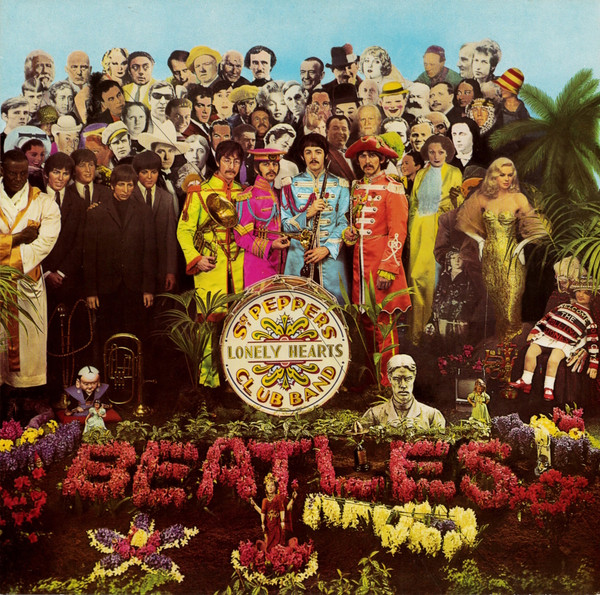
Sgt. Pepper has been released in Germany by Odeon/HörZu exclusively, and only a small amount of copies were pressed for the Swiss book club "Ex Libris" (without the HörZu logo).
How to authenticate this pressing
Specific verification cues for this exact variant.
Text "PRINTED IN GERMANY ● IMPRIME EN ALLEMAGNE (French) ● IMPRESO EN ALEMANIA (Spanish)" was printed at the bottom of the back cover.
The very early German press used matrix numbers SHZE-401-A-1 Manufactured in Germany / SHZE-401-B-1 Manufactured in Germany and they mosty probably can be only found on the "Ex Libris" edition.
Historical context & other notes
From the main release
Sgt. Pepper's Lonely Hearts Club Band (Sgt. Pepper for short) is the eighth studio album by the British band the Beatles, released on May 26, 1967, in the United Kingdom and June 2, 1967, in the United States. The album was officially scheduled for release on June 1, but EMI decided on a so-called rush release six days earlier, on Friday, May 26. Mark Lewisohn, author of the most authoritative chronological study of the Beatles' career, confirms that single copies appeared in London stores the day before, on May 25, 1967, although the band's official website and Apple Corps still list June 1 as the release date. Under a new contract, which the band enforced after years of dissatisfaction with the policies of EMI's American subsidiary, Capitol Records was obligated to release the album without changes to the track listing and Sgt. Pepper thus became the first Beatles album to be released with an identical track sequence on both sides of the Atlantic.
Sgt. Pepper hit stores just before the so-called Summer of Love. Although the press showered the record with compliments, the BBC banned "A Day in the Life" because of the line "I'd love to turn you on," deeming it likely to "encourage drug use." The ban remained in effect until the late 1970s, although all other radio stations around the world played the song freely. The BBC was the only British national radio broadcaster at the time, so the ban effectively meant that Britons could only listen to "A Day in the Life" from their own records on their own turntables.
The album has sold over 32 million copies worldwide (cumulative figures, according to BPI, RIAA, and IFPI international reports from 2017-2020), placing it among the top ten best-selling albums of all time, just behind Michael Jackson's Thriller (33 million according to the RIAA, although other sources cite higher figures) and alongside Pink Floyd's Dark Side of the Moon and Fleetwood Mac's Rumors.
Sgt. Pepper is considered one of the first concept albums in popular music and a milestone in the progressive rock genre, although debate as to whether it was truly conceptual in the strict sense (like The Who's later albums Tommy from 1969 or Pink Floyd's The Wall from 1979) has raged among music historians for decades. One thing is certain: in 1967 Sgt. Pepper was the one record to rule them all.
Other releases
This album's releases in other countries, or special editions within the same market. Full per-country chronology lives in each country's hub page.